AGL & Lighting Systems
Advanced airfield lighting solutions with proprietary LC single-lamp control technology
AGL & Lighting Systems Products
Discover our range of agl & lighting systems solutions designed for modern airports
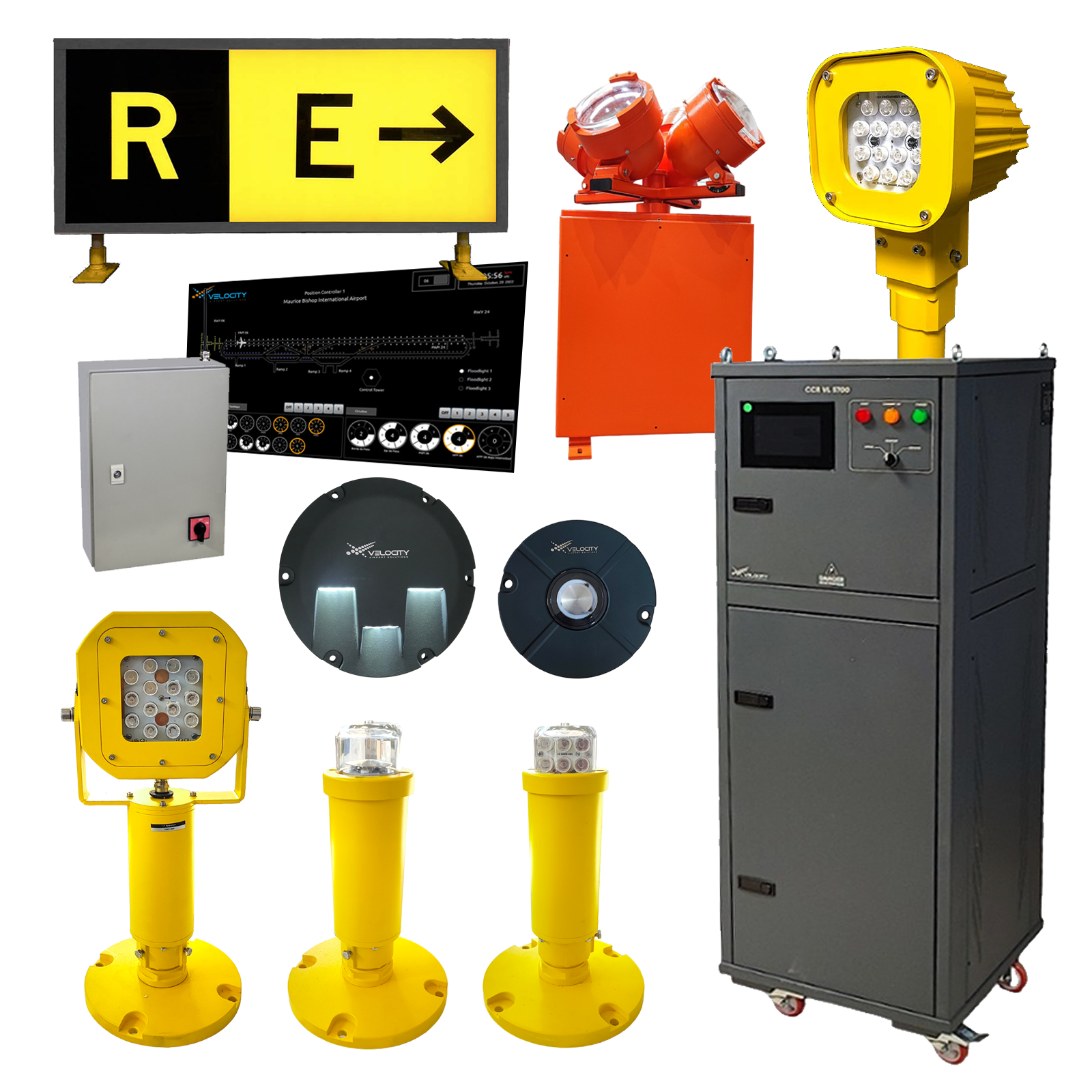
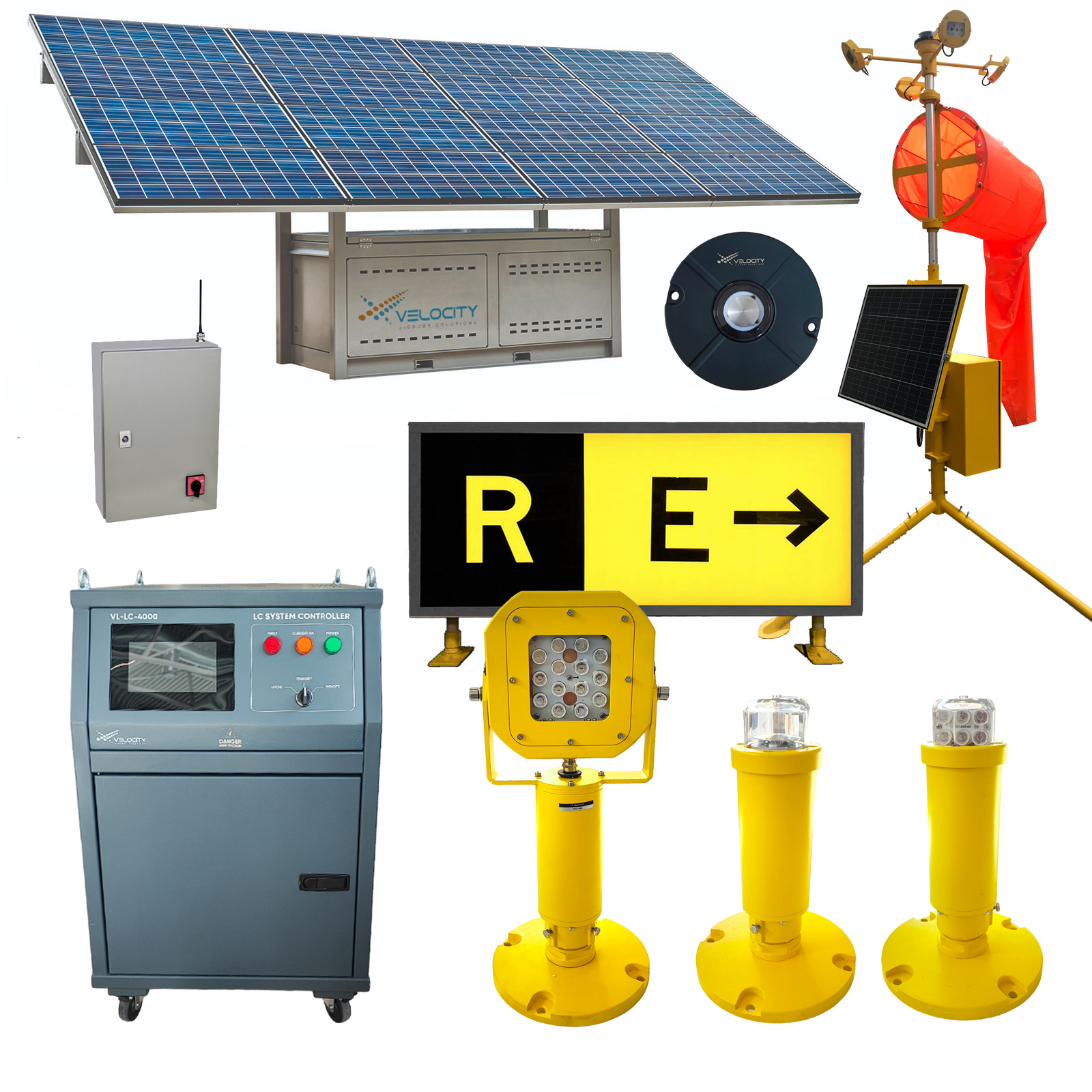
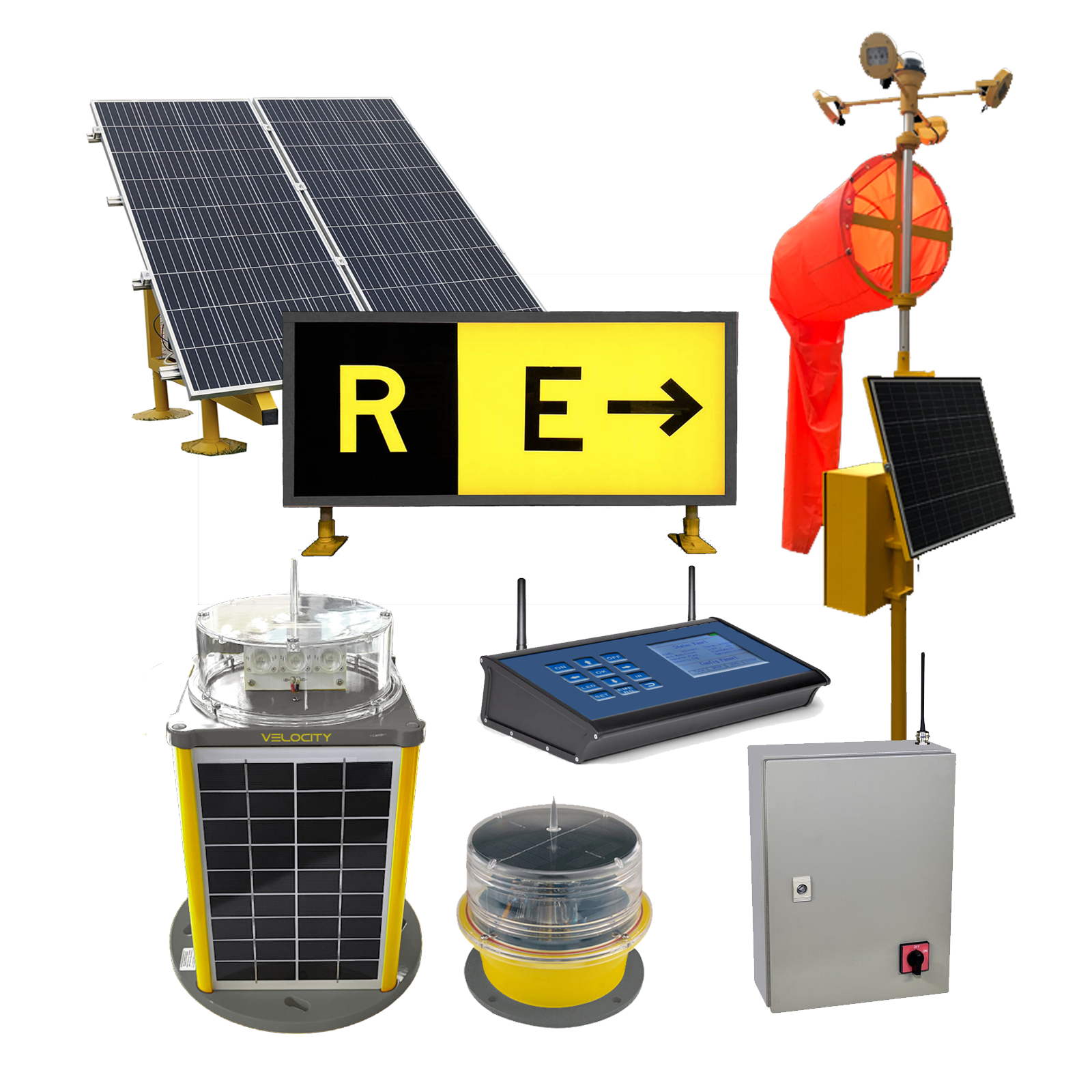

The Independently Powered Solar NextGenAGL Fixtures provide high-lumen LED runway lighting that is environmentally sustainable, enhances safety, and complies with ICAO and FAA regulations, featuring low operational costs and easy maintenance.
Specifications:
- Power Consumption: 15 W
- Operating Temperature: -40 to 50 °C
- Light output: up to 10.000 cd
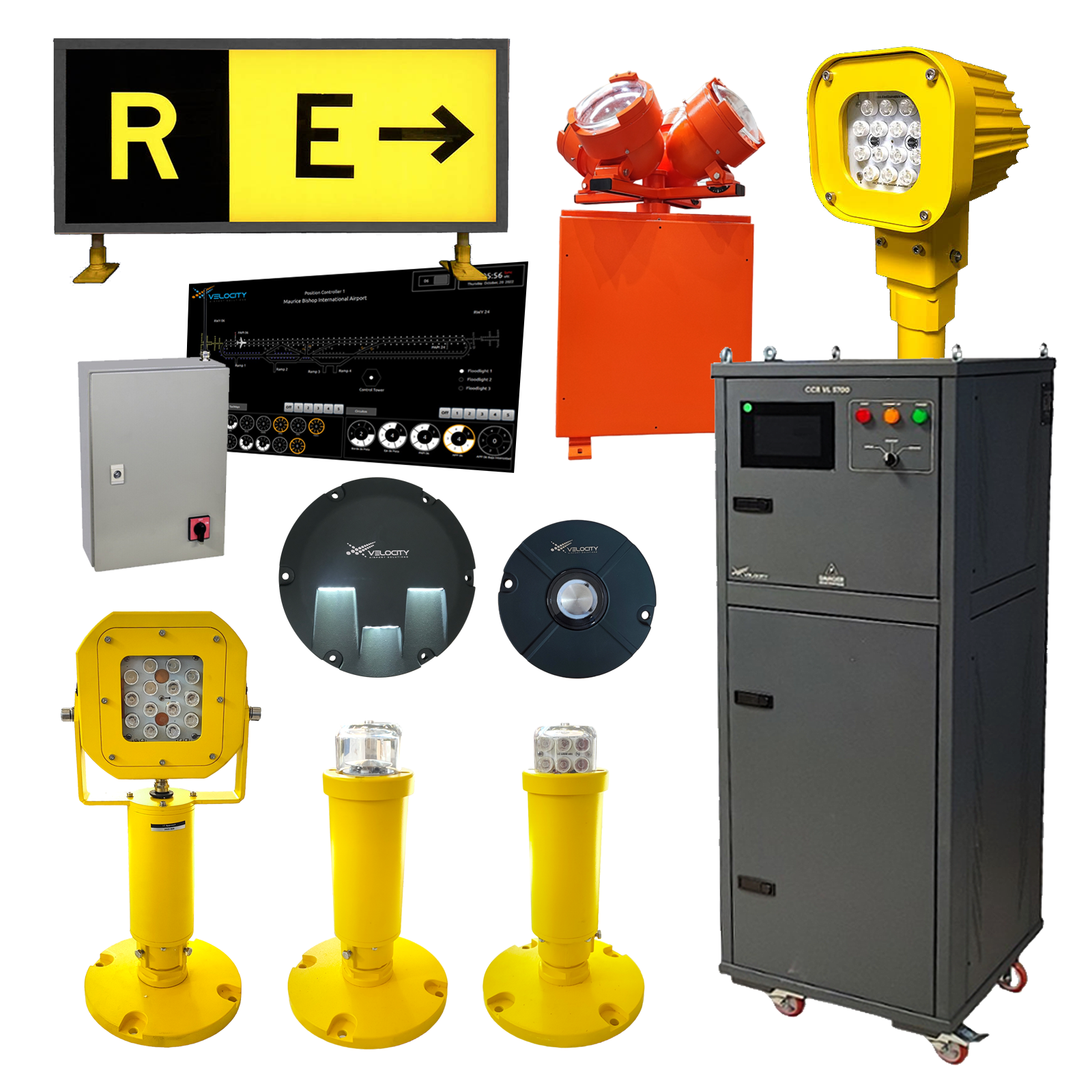
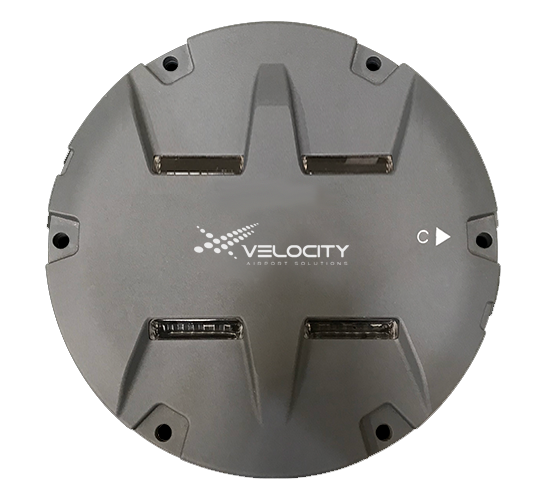

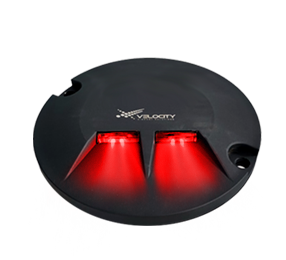
The Inset Approach / Side Row Light is a high-efficiency, durable lighting solution designed for airport runways, ensuring optimal visibility and safety in all weather conditions with long-lasting LED technology.
Specifications:
- Power Consumption: 65 VA (White)
- Power Consumption: 42 VA (Red)
- Protection Degree: IP67
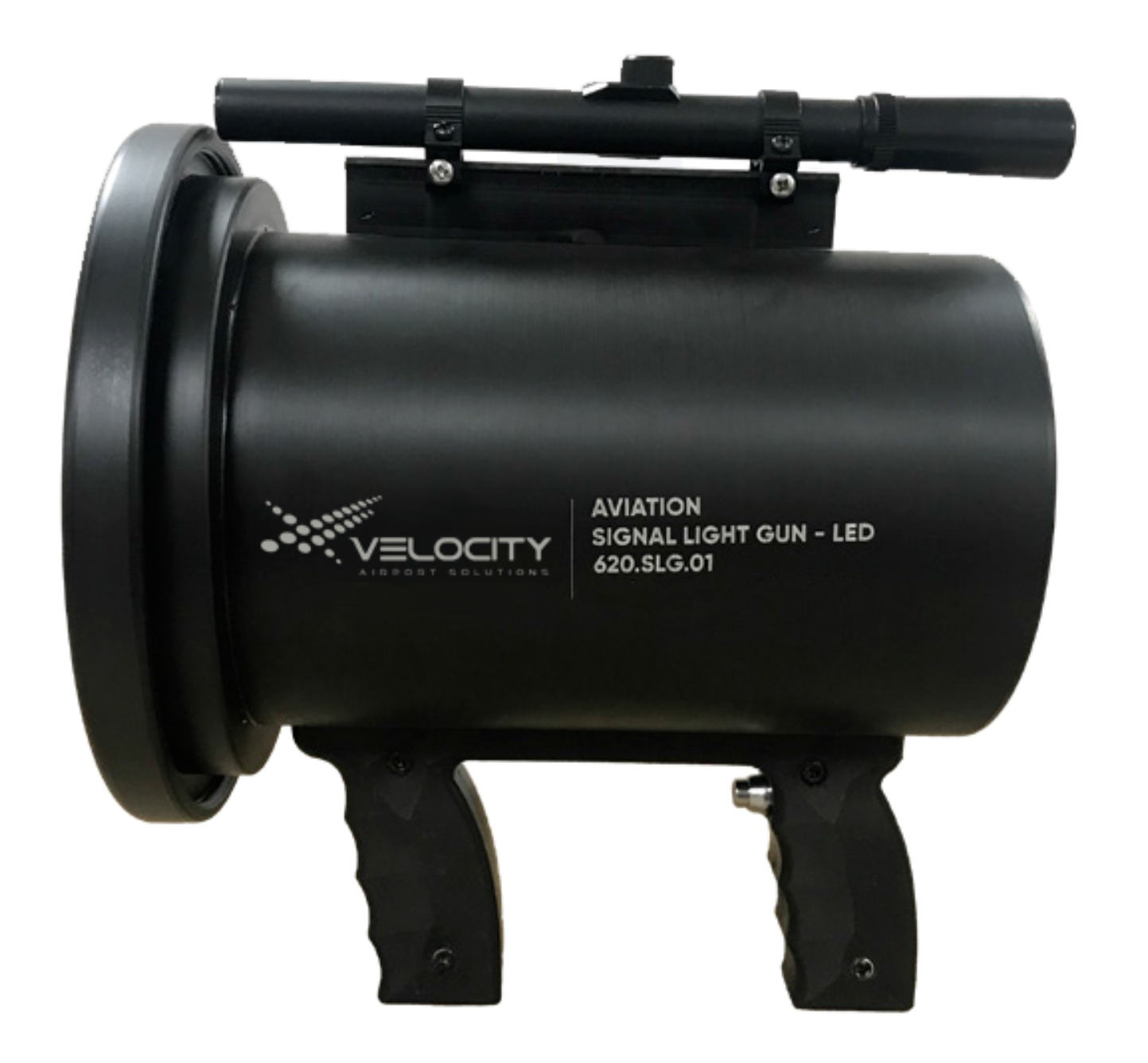

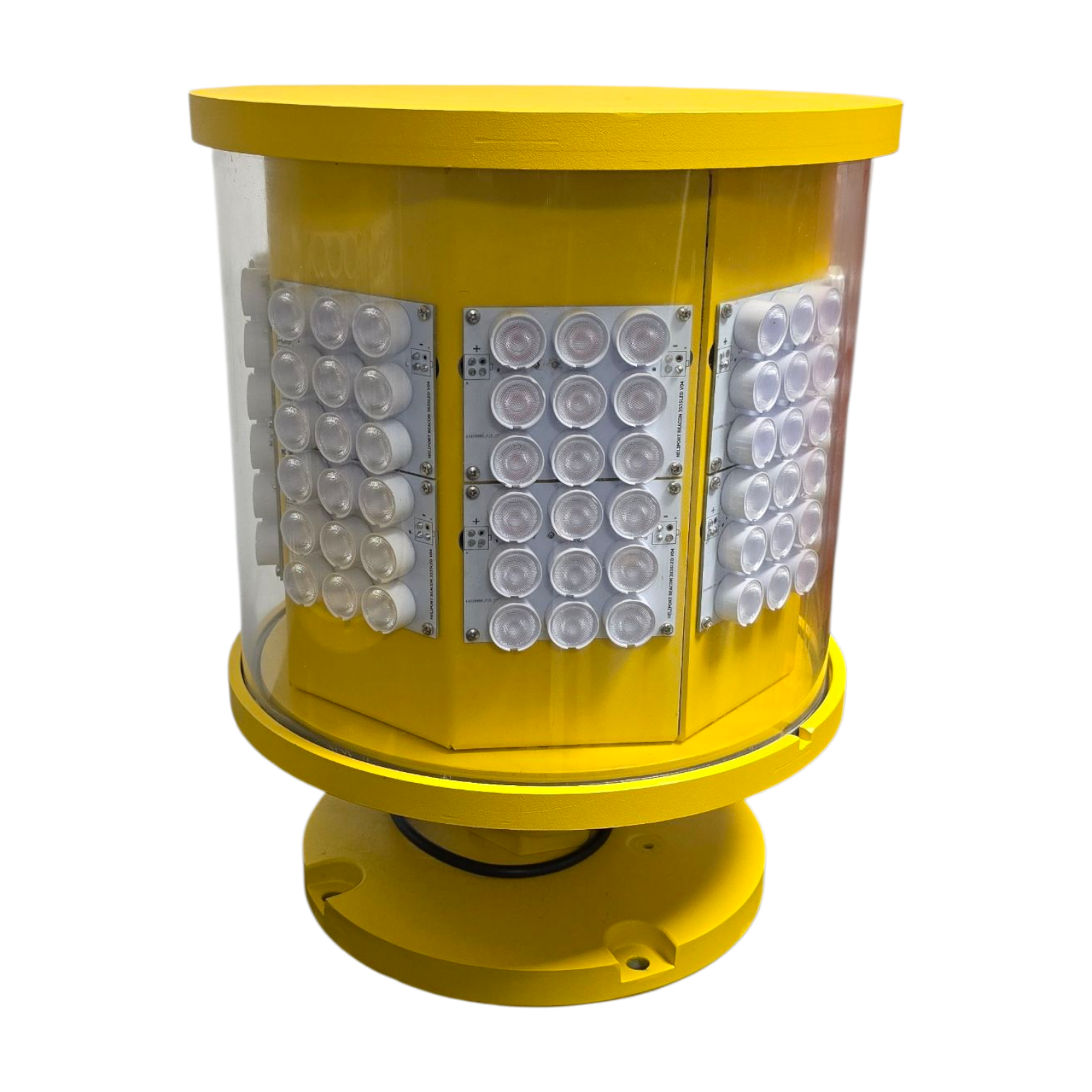
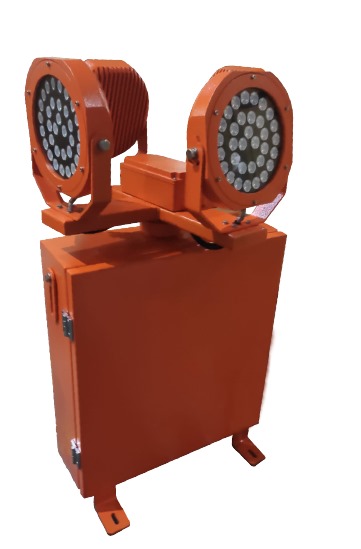
This LED obstruction light is engineered for reliable, long-lasting obstacle marking in compliance with ICAO Annex 14 standards. Available in single or dual head configurations, it provides both steady-burning and flashing operation modes to suit diverse application needs. The light comes in low-intensity Type B (≈50 cd) and medium-intensity Type B (≈2000 cd flashing) variants. Designed for longevity and ease of use, this obstruction light features high-performance LEDs exceeding 60,000 hours of operational life. Control options include automatic day/night switching via a photocell or manual operation. Optional RF remote control and synchronized group operation features enhance flexibility and coordination for large installations. The durable aviation-yellow powder-coated aluminum housing ensures resilience in demanding environments, offering IP67 protection and reliable operation from -40°C to +70°C. Power options include standard 110/230 VAC input or an optional solar power system with a 12V gel battery for off-grid applications. Installation is simplified with a design suited for easy mounting on a standard 2-inch aluminum pipe, ensuring quick and secure deployment.
Specifications:
- Standard / Compliance: ICAO Annex 14 Volume 1; L810 (Low Intensity Type B), Medium Intensity Type B (flashing)
- Light color: Red
- LED lifetime: > 60,000 hours
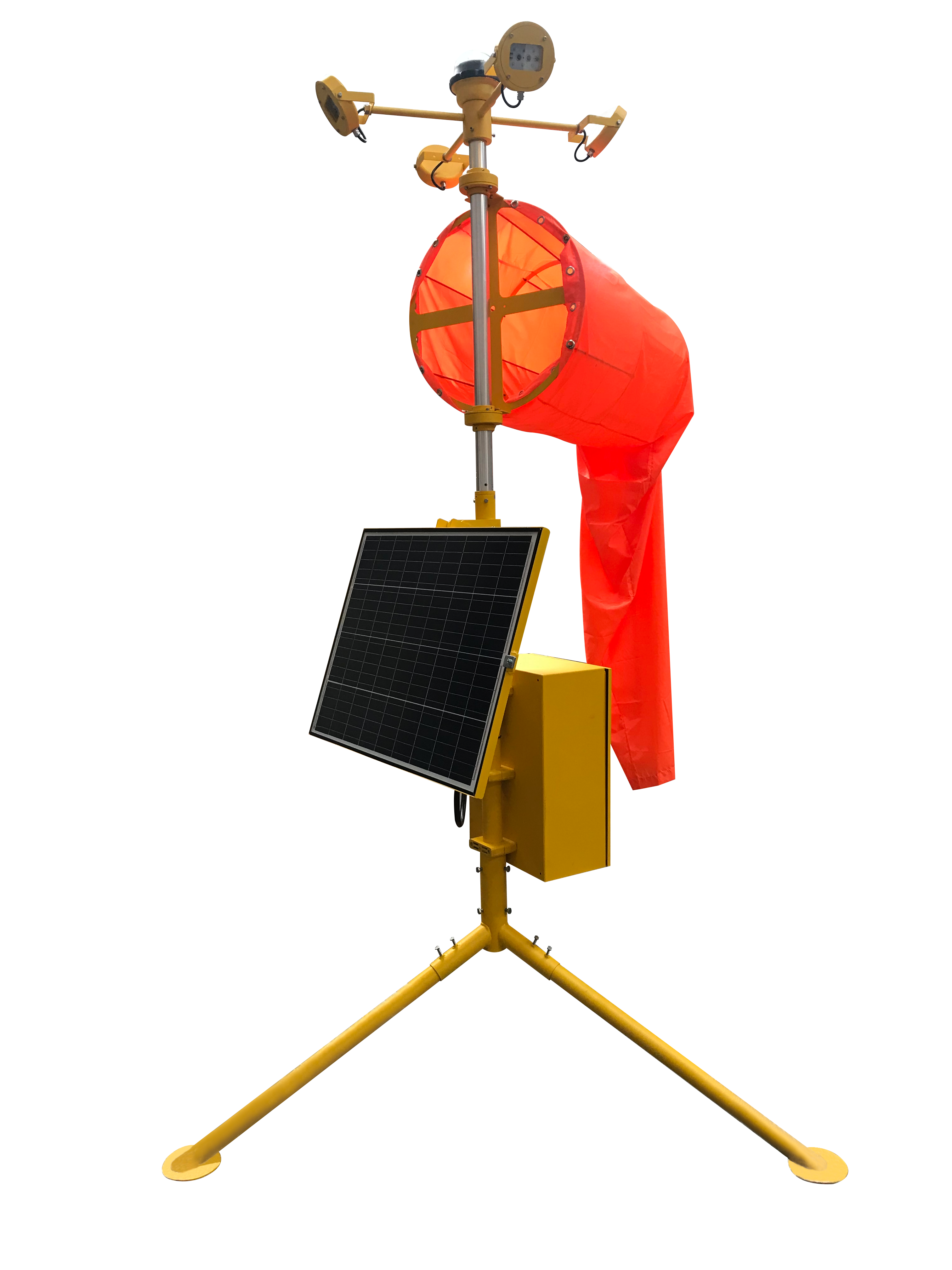
This wind direction indicator is an essential tool for heliports, designed to provide clear and accurate wind condition information over critical areas like the final approach and takeoff area (FATO) and the touchdown and liftoff area (TLOF). Its strategic placement ensures optimal visibility for helicopter pilots in flight, hovering, or maneuvering on the ground, while minimizing the impact of obstructions on airflow. Equipping a heliport with at least one of these indicators is a standard safety practice. Beyond basic wind indication, this model features a photocell for automatic activation of external projectors and obstruction lights during nighttime hours. Typically powered by mains electricity, this ensures continuous visibility and promotes safe heliport operations, regardless of ambient light.
Key Features:
- Related Standards and Compliances
- Application
- Features

Velocity Airport Solutions' Approach Light Mast Systems enhance airfield safety and visibility with flexible design, robust materials, and compliance with international safety standards.
Specifications:
- Base Plate Dimensions: 560 x 560 x 30 mm
- Corrosion Resistance Class: SP 2 N/A
- Maximum Bending Moment: 170.2 kNm

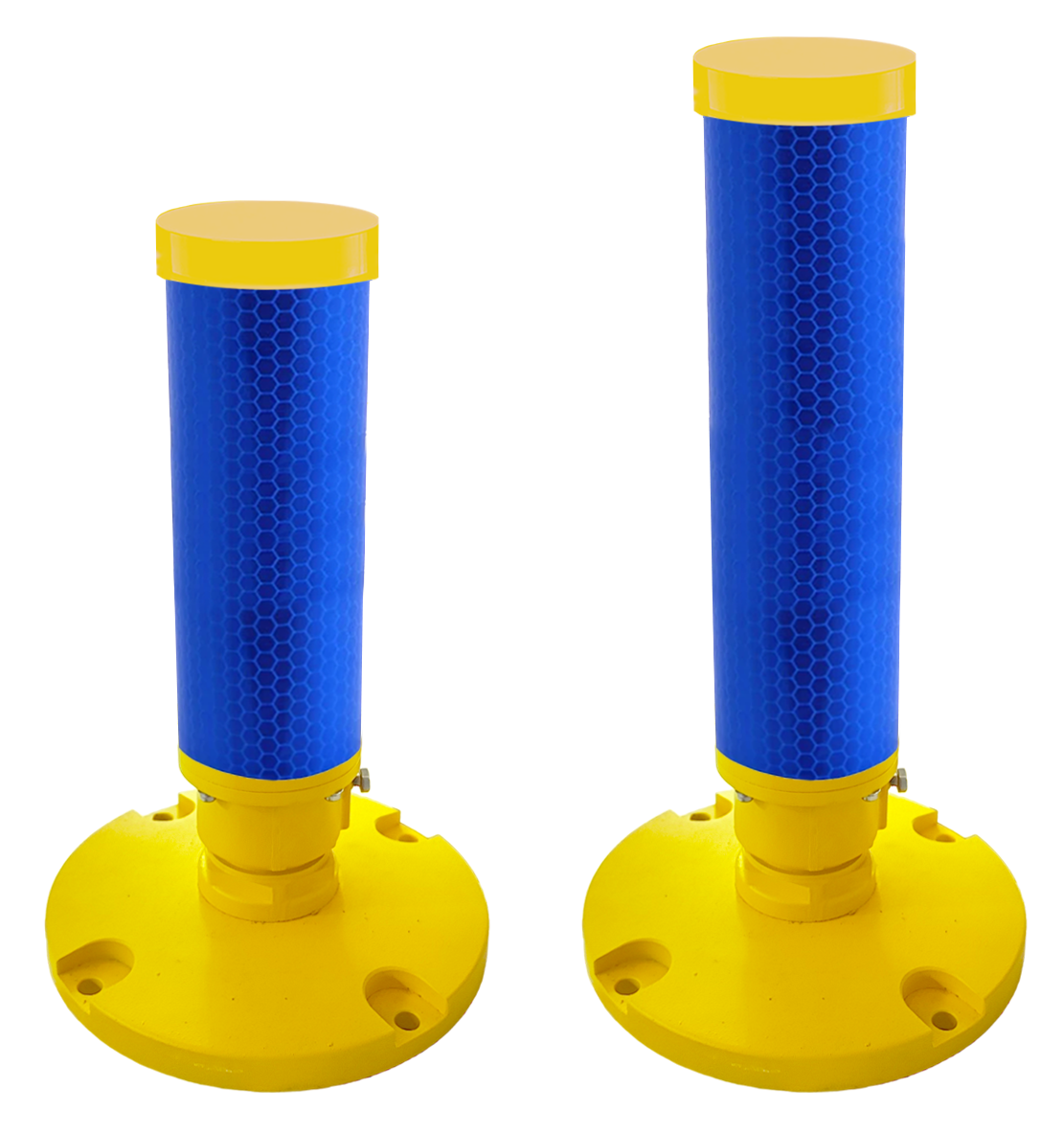
The Velocity Solar Low-Intensity Airfield Obstruction Light provides a reliable and efficient lighting solution for airfields and heliports, featuring solar operation and wireless control. Perfect for areas lacking power infrastructure.
Specifications:
- Operating Voltage: 3.7 V
- Light Intensity: 32.5 cd
- Solar Output: 3.6 W

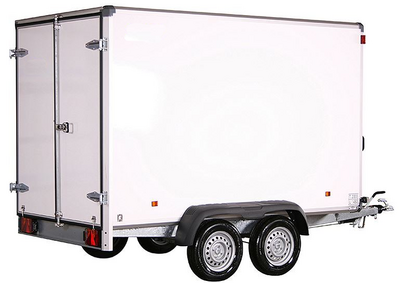
The Flood Light Mast Trailer is a versatile, high-performance mobile lighting solution with a 9-meter extendable mast, powerful LED lighting, and an optional solar power system, perfect for various outdoor applications.
Specifications:
- Maximum Height: 9 meters
- Lighting Power: 4000 W
- Fuel Tank Capacity: 200 liters

The MFL-G Series LED 480W floodlight system offers exceptional brightness, streamlined design, and durable performance, perfect for enhancing visibility and safety in airport environments with a luminous efficiency of over 160lm/w.
Specifications:
- Input Voltage: AC85-305 V
- Luminous Output: 153600 LM
- Dimensions: 649x597x132 mm

The LED PAPI Unit ensures precise approach angle indication for pilots, promoting safety during landings. Its robust and energy-efficient design operates optimally in varied conditions, enhancing operational efficiency at airfields.
Specifications:
- Power input: 6.6A, 230V and NG
- IP protection: IP44
- Power Consumption: 100 VA

The 7.5m Illuminated Solar Wind Cone provides a reliable wind direction indicator for heliports, ensuring continuous visibility with independent solar power and LED lighting features, compliant with ICAO standards.
Specifications:
- Height: 7.5 m
- Pole Material: Stainless Steel
- Windsock Material: Lightweight Polyester Fabric

The Lighted Runway Closure Marker Trailer enhances airport safety by providing a highly visible, portable solution for runway maintenance, ensuring effective communication with pilots up to 40 km away.
Specifications:
- Power System: Portable diesel engine
- Voltage Output: 230/110/12 V AC/DC
- Visibility Range: 40 km